 Reviews



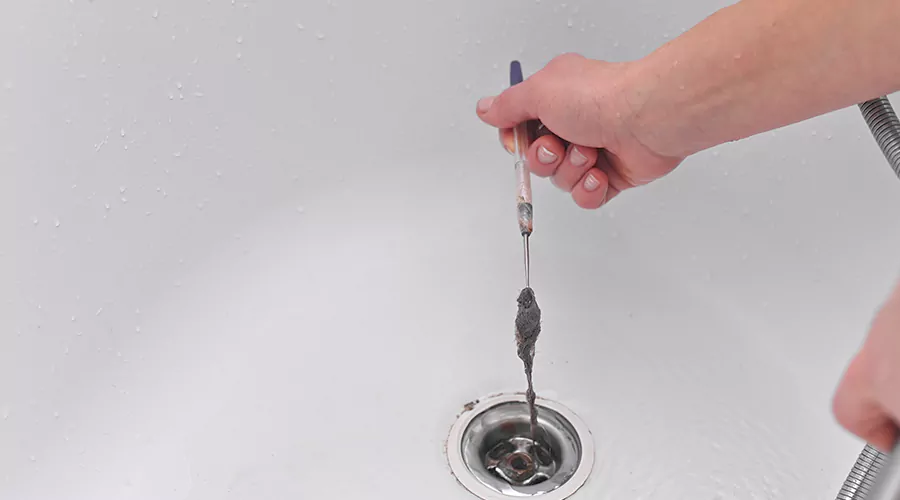
You can often unblock a shower drain by removing the hair mass beneath the grate and then using a plunger or drain snake if water still will not move. For stubborn blockages, drain jetting can help clear debris deeper in the drain. Professional drain cleaning costs $147 to $352 in 2026 and averages about $246.
This article focuses on a drain that is already heavily restricted or stopped. The supplied keyword unblock shower drain describes that stronger no-flow intent. The priority is to remove standing water safely and open the drain without pushing debris farther into the plumbing.
What Should You Do First When the Shower Will Not Drain?
Turn off the shower and stop adding water. Standing water makes tools harder to use and can hide the drain opening. Remove some water manually if the shower pan remains full.
- Wear waterproof gloves.
- Use a container to remove excess water.
- Keep the removed water away from other household drains if it contains visible dirty material.
- Clear toiletries from the work area.
- Remove the drain cover carefully.
- Inspect the opening before adding anything.
- Visible hair gives you a direct starting point.
If dirty wastewater has backed into the shower without the shower running, the problem may be deeper than a routine hair clog.
What Usually Causes a Fully Blocked Shower Drain?
Hair is the main cause of shower blockage. Soap residue binds the strands while body products can add sticky material. Mineral buildup can make the pipe opening narrower over time.
- A complete obstruction often started as a slow drain.
- The opening became smaller after each shower.
- Eventually normal water flow exceeded what the remaining passage could handle.
- Another possibility is a solid object.
- A deeper branch-drain blockage can produce the same no-flow symptom.
You need to determine which condition exists before using more force.
How Does a Shower Go From Slow to Fully Blocked?
A developing obstruction captures more material as the passage becomes smaller. Water can still escape during the early stage. Later the shower begins pooling during use. A fully blocked drain leaves standing water even after the shower has been off for several minutes.
| Condition | Water Behavior | Suggested First Action | 2026 Cost Exposure |
|---|---|---|---|
| Slow | Drains with delay | Remove surface hair | Often DIY |
| Very slow | Puddle remains briefly | Hair tool or plunger | Low tool cost |
| Blocked | Standing water stays | Plunger or snake | $147 to $352 |
| Widespread backup | Other fixtures react | Deeper diagnosis | Can cost more |
- Professional drain cleaning averages $246 in 2026.
- DIY shower-clearing tools often cost below $20.
- Stopping at the slow stage can therefore save both time and repair cost.
What Warning Signs Mean It Is More Than a Simple Hair Blockage?
A fully blocked shower should still be treated as a local problem when every other fixture works normally. Symptoms throughout the home shift the diagnosis toward shared drainage piping.
- Standing water never drops.
- The shower backs up when another fixture runs.
- The toilet gurgles while water is draining.
- A nearby sink has become slow.
- Dirty water enters the shower.
- A sewage odor appears with the backup.
- A snake passes through without restoring flow.
- The blockage returns immediately after clearing.
- Several bathrooms show drainage problems.
- Water level changes without using the shower.
Multiple affected drains are a recognized warning of a deeper blockage. Stop treating the problem as a surface clog when those signs appear.
How Do You Remove a Blockage Under the Drain Cover?
Start with the material you can reach. Remove the grate and pull visible hair upward. A flexible barbed plastic tool works well for hair that sits several inches below the opening.
- Insert the tool.
- Rotate it slightly.
- Pull it back slowly.
- Remove the captured hair.
- Repeat the process.
- Use a flashlight between attempts.
The drain declogger tool should bring debris upward rather than compacting it deeper. Dispose of the removed material in the trash. Once little material comes back, test with a small amount of water. A clear opening can sometimes restore flow immediately.
How Do You Use a Plunger on a Blocked Shower?
A cup plunger can apply pressure to a blockage that sits beyond easy reach. The drain needs enough water around the cup to maintain a seal.
- Center the plunger.
- Press the cup firmly against the shower floor.
- Add enough water to cover the rubber edge.
- Push down.
- Pull up.
- Repeat the stroke several times.
- Keep the seal intact.
- Remove the plunger.
- Watch the water level.
A sudden drain movement suggests that the obstruction shifted. Current 2026 shower-clog guidance recommends plunging before moving to deeper equipment when a good seal can be created.
How Do You Use a Drain Snake?
A snake reaches farther into a fully blocked drain. Feed the cable until it contacts resistance. Rotate the handle so the end can work through or capture the obstruction.
- Advance the cable gradually.
- Do not force it.
- Rotate at the resistance point.
- Pull back slightly when needed.
- Advance again.
- Withdraw the cable slowly.
- Remove attached hair.
- Repeat only if drainage is improving.
The supplied keyword snaking a drain has particularly strong search demand.
Mechanical retrieval is useful because it can physically remove the hair mass rather than leave loosened material inside the pipe. Current guidance describes resistance decreasing as one sign that the snake has worked through a blockage.
Should You Use a Drain Cleaning Bladder?
A drain cleaning bladder uses water pressure inside a drain pipe. It is not the first tool for an ordinary shower hair clog because correct placement depends on pipe access and plumbing layout.
- Using pressure without understanding the piping can move water somewhere unintended.
- A shower drain may contain connections that are not suitable for an improvised pressure-clearing attempt.
- Start with hair removal.
- Move to plunging.
- Use a hand snake next.
- Leave pressure equipment for situations where the drain layout is understood.
- This order limits unnecessary stress on the piping.
What Should You Avoid With Standing Water?
Do not pour multiple cleaning chemicals into a shower that will not drain. Standing water can hold the chemical near the surface. Later tool use can splash the liquid onto skin or eyes.
- Never mix drain products.
- Do not add bleach after drain opener.
- Avoid placing bare hands into unknown chemical water.
- Do not use aggressive metal tools against finished shower surfaces.
- Avoid repeated high-pressure attempts when another fixture is backing up.
The safest approach is controlled mechanical removal when the obstruction is ordinary hair. If chemical cleaner has already been used, tell anyone working on the drain what product is present.
How Do You Test the Drain After Unblocking It?
A fully blocked drain should be tested in stages. Do not immediately run the shower at maximum flow. A partial opening might accept a small amount of water yet fail during a normal shower.
- Start with a small stream.
- Watch for pooling.
- Increase the flow.
- Continue for several minutes.
- Turn the water off.
- Check how fast remaining water disappears.
A proper repair should restore continuous drainage. The drain should not slowly build a puddle while the shower is running. Repeat the test later if the original blockage was severe.
When Should You Call a Professional?
Professional drain cleaning is appropriate when a hand snake cannot restore flow or when the blockage affects several fixtures. Sewage entering the shower is another reason to stop routine DIY work.
Professional drain cleaning costs about $147 to $352 in 2026. The national average is around $246. Main sewer clog repair averages $380. More involved main-line work can reach $1,600.
Professional diagnosis makes sense when:
- Several drains are blocked.
- Sewage backs into the shower.
- Mechanical clearing fails.
- The blockage returns repeatedly.
- The snake cannot reach the restriction.
- The drain piping itself appears damaged.
Professional equipment can reach farther than a short household snake.
How Can You Stop the Shower From Blocking Again?
Hair prevention is the simplest maintenance step. Use a catcher that fits securely over the drain and empty it before the openings become covered.
- Clean visible hair frequently.
- Wash residue from the grate.
- Monitor drainage speed.
- Remove buildup at the first sign of slowing.
- Do not allow small objects near an uncovered drain.
- Clean the drain opening before a full blockage forms.
A slow drain gives you time to act. A completely blocked drain turns the same maintenance issue into an immediate problem.
Conclusion
Knowing how to unblock a shower drain means starting with the obstruction closest to the surface and moving deeper only when necessary. Remove standing water and pull out visible hair. Use a plunger next. A hand snake can reach deeper buildup. If sewage returns through the shower or several drains fail together, deeper diagnosis is appropriate. This week, install a drain screen that catches hair before it enters the pipe.
Frequently Asked Questions
Why is my shower completely blocked?
A dense hair and soap mass can close the remaining opening. A deeper pipe blockage can cause the same symptom.
Can a plunger unblock a shower?
Yes. A cup plunger can move some blockages when it forms a good seal around the drain opening.
Should I keep running water to force the clog through?
No. More water can increase standing water without removing the obstruction.
How far should I snake a shower drain?
Advance only as needed to reach the resistance. Avoid forcing the cable when it will not move normally.
Why did the shower block again the next day?
Part of the obstruction may remain or the blockage may sit deeper than the area you cleared.